



Rapid growth is exciting, but for a fast-growing electronic commerce business, it can also be risky. Sales may increase every month, yet cash shortages still occur. This is one of the most common challenges successful e-commerce companies face.
Cash flow management determines whether growth strengthens a business or quietly pushes it toward instability. Understanding how money moves in and out of your business is essential for long-term success.
Why Cash Flow Becomes Challenging During Rapid Growth
Growth increases complexity. More orders mean higher inventory costs, increased ad spend, larger logistics expenses, and more frequent refunds.
Common cash flow challenges include:
-
Paying suppliers before customer payments settle
-
Rising marketing costs with delayed returns
-
Inventory tied up in unsold stock
-
Unexpected platform and transaction fees
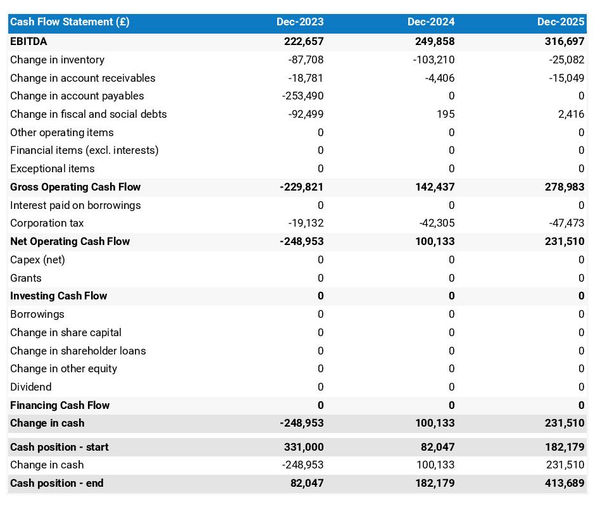
Without proper planning, growth can drain cash faster than it generates profit.
Understanding the Cash Flow Cycle in E-Commerce
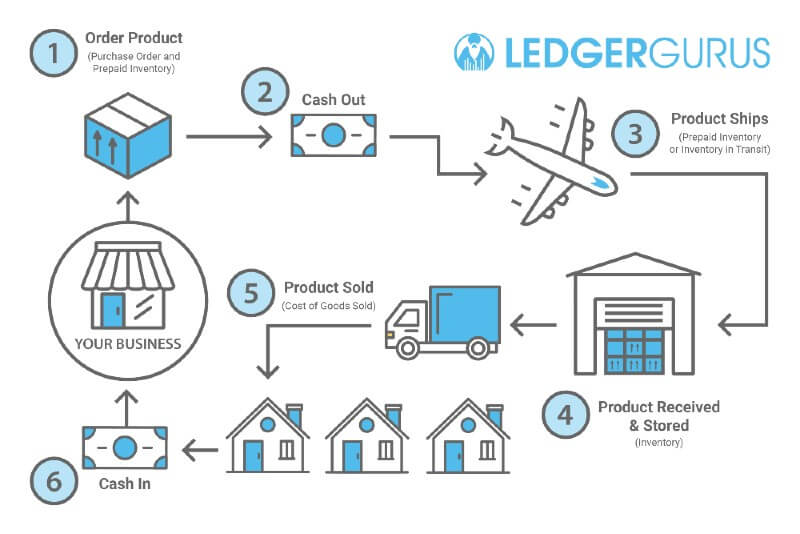
A fast-growing electronic commerce business must understand its cash flow cycle clearly.
The cycle typically includes:
-
Spending on inventory or production
-
Marketing and customer acquisition costs
-
Order fulfillment and shipping
-
Payment processing and settlement delays
Mapping this cycle helps businesses anticipate gaps and prepare in advance.
Forecasting Cash Flow Accurately
Cash flow forecasting is critical during expansion. It allows businesses to plan rather than react.
Effective forecasting helps:
-
Predict future cash shortages
-
Schedule inventory purchases smartly
-
Control marketing spend
-
Prepare for seasonal demand
Regular forecasts provide visibility and reduce financial surprises.
Balancing Growth Spending and Liquidity
Spending aggressively to grow can harm liquidity. Smart businesses balance expansion with financial safety.
Key strategies include:
-
Scaling ad spend gradually
-
Negotiating better supplier payment terms
-
Maintaining a cash reserve
-
Avoiding long-term commitments too early
Liquidity ensures that growth does not disrupt daily operations.
Managing Inventory Without Straining Cash
Inventory is one of the largest cash drains in e-commerce. Overstocking ties up cash, while understocking limits sales.
Smarter inventory management includes:
-
Using demand forecasting tools
-
Ordering smaller, more frequent batches
-
Tracking fast- and slow-moving products
-
Avoiding emotional bulk purchases
Optimized inventory keeps cash moving instead of sitting on shelves.
Controlling Marketing and Advertising Spend
Marketing fuels growth, but uncontrolled ad spend can damage cash flow.
Strong cash flow management requires:
-
Tracking return on ad spend regularly
-
Setting daily and weekly ad budgets
-
Pausing low-performing campaigns quickly
-
Prioritizing high-conversion channels
Growth should be funded by performance, not assumptions.
Speeding Up Cash Inflows
Faster cash inflow reduces pressure on working capital.
Ways to improve inflow include:
-
Offering multiple fast-settlement payment options
-
Reducing refund processing delays
-
Encouraging prepaid orders
-
Optimizing checkout to reduce drop-offs
Small improvements in payment speed can significantly improve liquidity.
Managing Expenses With Discipline
As teams and tools expand, expenses rise quickly. Cost control is essential during fast growth.
Focus on:
-
Reviewing subscriptions and tools regularly
-
Outsourcing instead of hiring too early
-
Automating repetitive tasks
-
Eliminating low-impact expenses
Expense discipline protects margins and cash reserves.
Using Short-Term Financing Wisely
Sometimes external funding is necessary to support growth. However, not all financing is healthy.
Smart use of financing includes:
-
Covering short-term cash gaps
-
Funding high-return inventory or ads
-
Avoiding debt for operating losses
-
Matching repayment terms with cash flow
Financing should support growth, not hide financial problems.
Monitoring Cash Flow in Real Time
Fast-growing businesses cannot rely on monthly reviews. Real-time monitoring is essential.
Modern tools help track:
-
Daily cash position
-
Incoming and outgoing payments
-
Profit margins by product
-
Expense trends
Real-time insights allow quicker and better decisions.
Common Cash Flow Mistakes to Avoid
Many e-commerce businesses struggle due to avoidable errors.
Avoid these mistakes:
-
Assuming profit equals cash
-
Scaling faster than cash allows
-
Ignoring settlement delays
-
Over-investing in inventory or ads

Awareness helps businesses grow safely.
Conclusion
Managing cash flow in a fast-growing electronic commerce business requires discipline, forecasting, and constant visibility. Growth alone does not guarantee success. Cash flow determines whether that growth is sustainable.
Businesses that master cash flow management can scale confidently, withstand challenges, and build long-term stability. In e-commerce, strong cash flow is not just support—it is the foundation of lasting success.