


Many e-commerce businesses focus heavily on marketing, products, and traffic. However, the real driver of long-term success often sits behind the scenes: online business finance. Without strong financial foundations, even fast-growing online stores struggle to survive over time.
Finance influences every major decision in an electronic commerce business. From cash flow and pricing to growth planning and risk management, financial clarity separates sustainable businesses from short-lived ones.
Why Finance Matters More Than Ever in E-Commerce
E-commerce operates in real time. Payments, refunds, ad spend, and inventory costs move constantly. This makes financial oversight essential rather than optional.
Strong online business finance helps companies:
-
Maintain healthy cash flow
-
Control operating costs
-
Make informed growth decisions
-
Survive market fluctuations
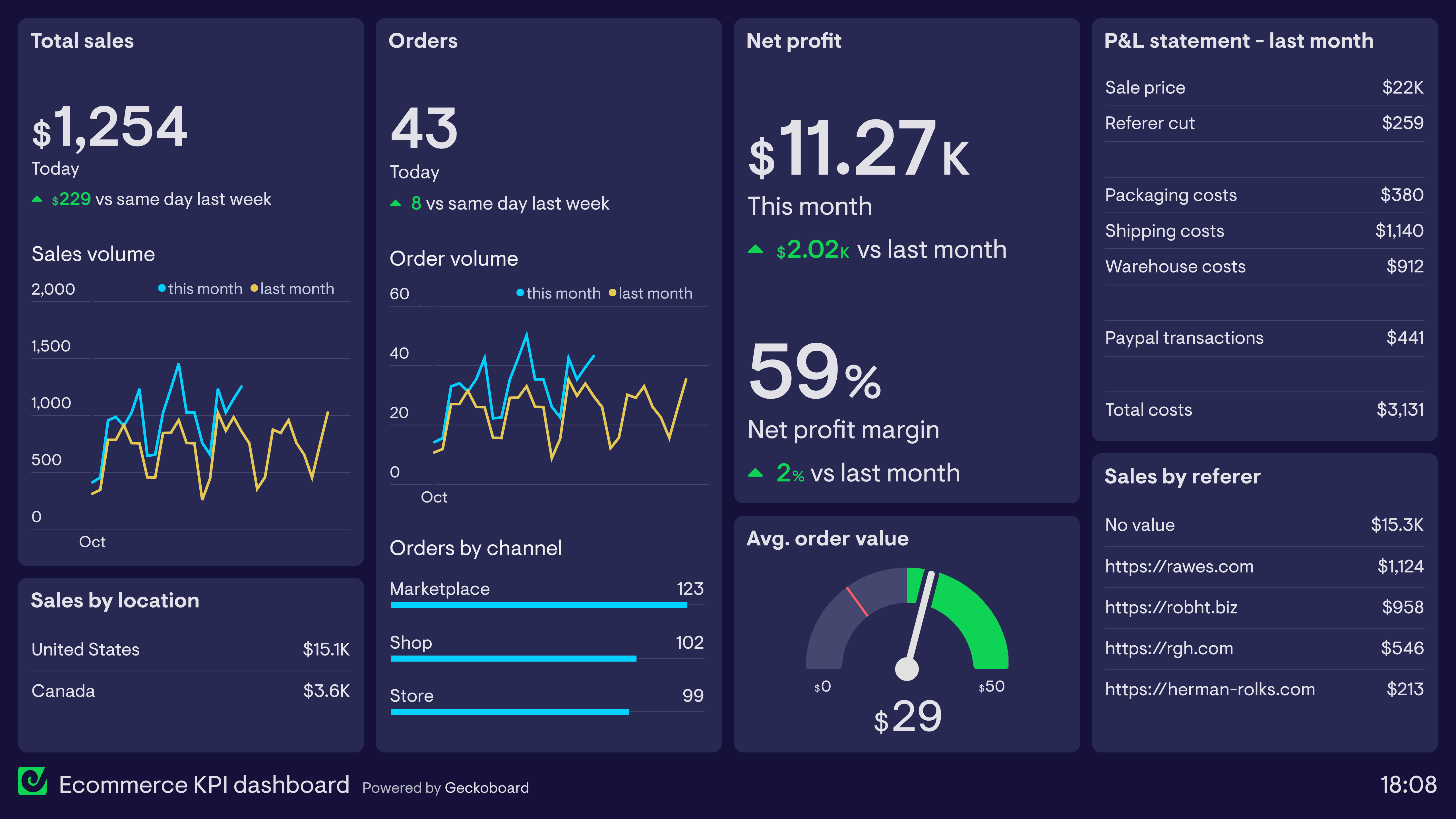
In competitive markets, financial discipline becomes a strategic advantage.
Cash Flow Is the Foundation of Long-Term Success
Profit does not always equal cash. Many online commerce businesses fail because they overlook cash flow timing.
Effective cash flow management allows businesses to:
-
Pay suppliers on time
-
Invest in marketing confidently
-
Handle refunds and chargebacks
-
Prepare for seasonal demand
Consistent cash flow keeps operations stable and growth predictable.
Smart Budgeting Supports Sustainable Growth
Long-term e-commerce success depends on how well money is allocated. Smart budgeting ensures that growth does not come at the cost of stability.
Key budgeting priorities include:
-
Advertising and customer acquisition
-
Inventory and fulfillment costs
-
Technology and platform fees
-
Operational and staffing expenses
Clear budgets help businesses grow without overspending or financial stress.
Financial Data Drives Better Decisions
Every transaction in an electronic commerce business produces data. When used correctly, this data becomes a powerful decision-making tool.
Financial data helps businesses:
-
Track profit margins accurately
-
Measure return on marketing spend
-
Forecast revenue and expenses
-
Identify risks early
Data-driven finance replaces guesswork with clarity.

Pricing Strategy and Profitability
Pricing directly affects long-term success. Poor pricing decisions can increase sales while reducing profitability.
Strong online business finance ensures pricing:
-
Covers all direct and indirect costs
-
Supports healthy profit margins
-
Remains competitive in the market
-
Adapts to changing expenses
Financial awareness helps businesses price for sustainability, not just volume.
Managing Financial Risk in E-Commerce
As businesses scale, financial risk increases. Fraud, chargebacks, rising ad costs, and operational inefficiencies can all impact profitability.
A solid finance strategy includes:
-
Fraud prevention tools
-
Cash reserves for emergencies
-
Regular financial reviews
-
Clear financial controls
Risk management protects both revenue and reputation.
Financing and Growth Planning
Growth requires capital, but not all funding supports long-term success. Businesses must align financing decisions with financial health.
Smart growth planning involves:
-
Using revenue data to guide expansion
-
Avoiding unnecessary debt
-
Choosing funding options based on cash flow
-
Scaling at a financially sustainable pace
Growth supported by finance lasts longer and performs better.
Automation and Financial Efficiency
Manual financial processes slow down operations and increase errors. Automation improves efficiency and accuracy.
Automated finance tools help with:
-
Expense tracking
-
Invoicing and reconciliation
-
Tax calculations
-
Financial reporting
Efficiency allows business owners to focus on strategy instead of spreadsheets.
Common Financial Mistakes That Hurt Long-Term Success
Even successful stores can fail due to avoidable financial errors.
Common mistakes include:
-
Ignoring cash flow warnings
-
Overspending on paid advertising
-
Scaling before achieving profitability
-
Lacking regular financial reporting
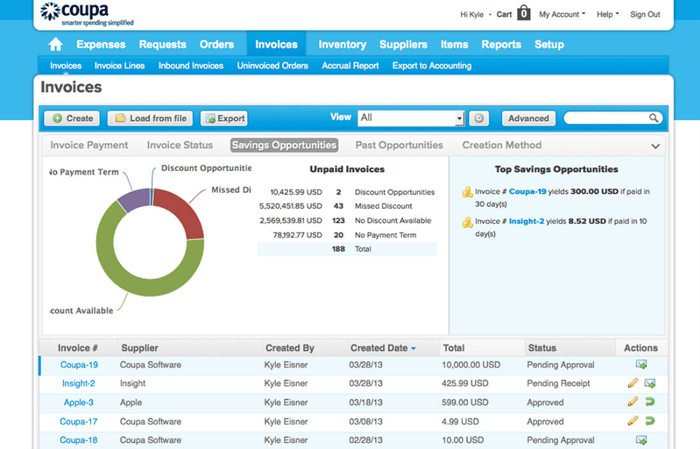
Awareness and planning help businesses avoid costly setbacks.
Conclusion
Long-term e-commerce success is built on strong online business finance. Cash flow management, budgeting, pricing, data analysis, and risk control all play critical roles in sustainability.
Businesses that treat finance as a strategic function, not just accounting, are better equipped to grow, adapt, and remain profitable in a competitive digital landscape. In e-commerce, financial strength is not optional—it is essential.